10-Pocket vs 22-Pocket Tool Pouches: Choosing the Right Layout

Pocket count is the spec everyone quotes and few people think through. A 10-pocket pouch and a 22-pocket pouch aren’t the same product in two sizes — they’re two different philosophies of how to carry a day’s work. One says “carry the essentials and stay light.” The other says “everything you need, on your hips, all day.” Which one is right depends entirely on your trade and your task list.
What’s Inside a 10-Pocket Pouch
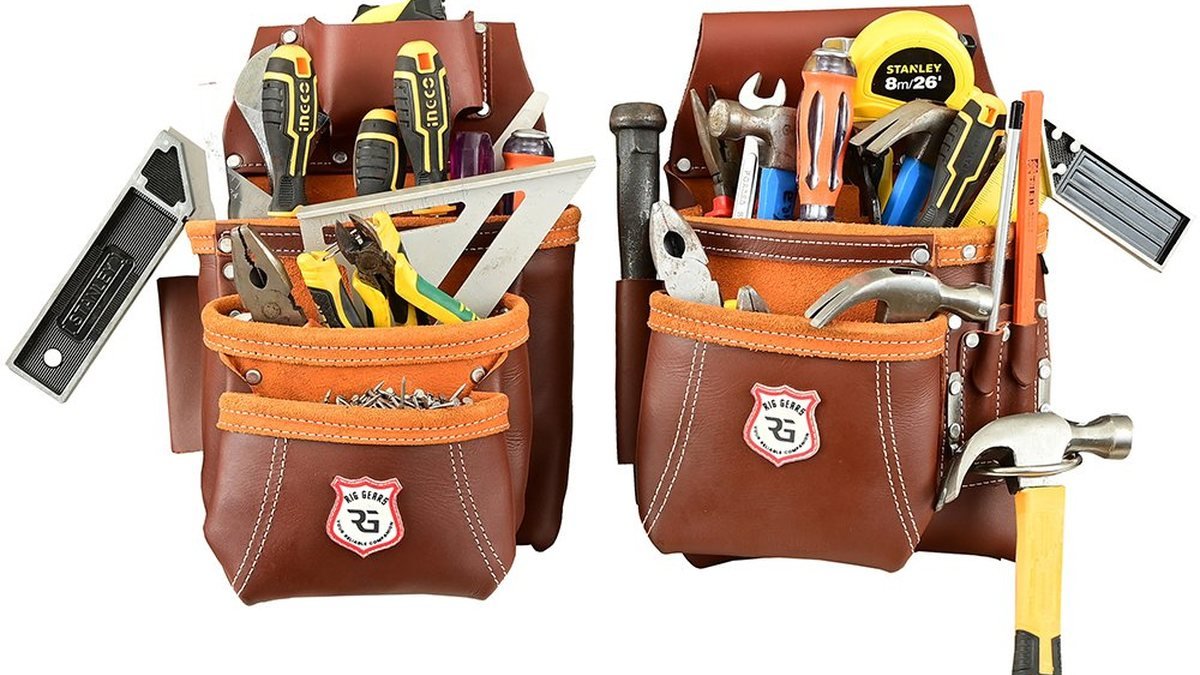
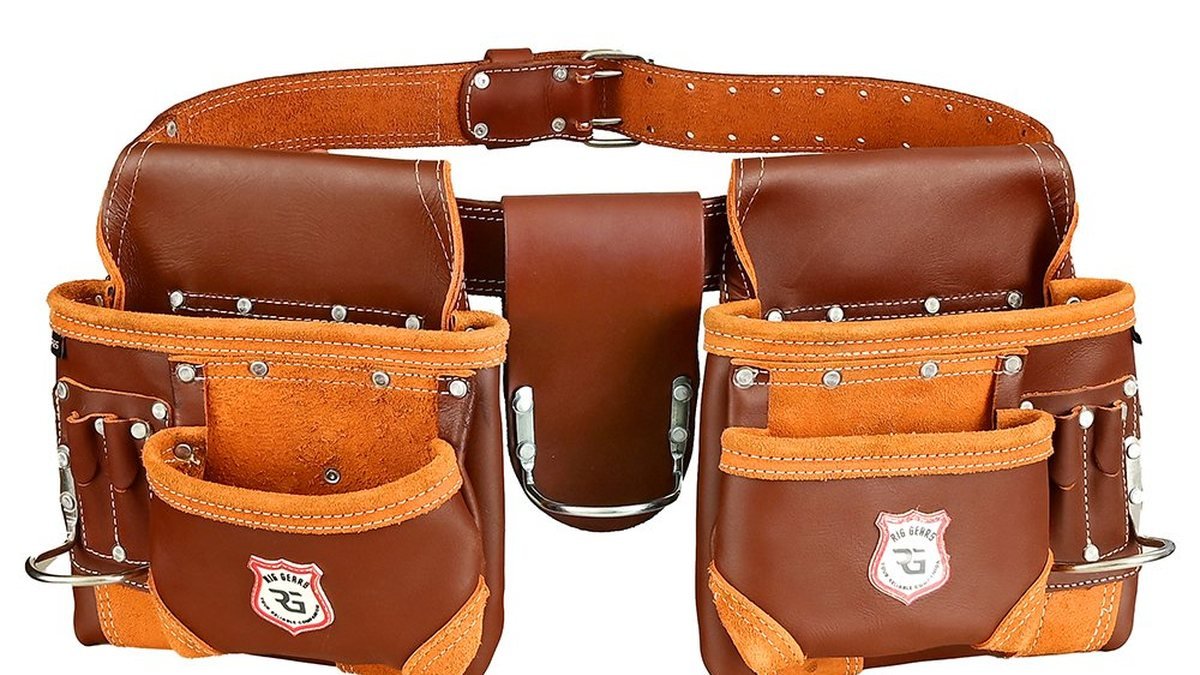
A 10-pocket layout typically gives you one or two large main compartments for fasteners or bulky tools, a row of medium pockets for your core hand tools, and slots for pencils, bits and a knife. It’s built around a tight kit: hammer, tape, square, utility knife, pencils, a driver or two, pliers, and a reasonable stash of nails or screws. The virtues are real — lighter on the hips, slimmer through doorways and stud bays, quicker to keep organised simply because there’s less to organise. For electricians doing device and trim work, finish carpenters, and anyone whose bulk materials live in a bag or cart nearby, ten well-shaped pockets are genuinely enough.
What’s Inside a 22-Pocket Pouch
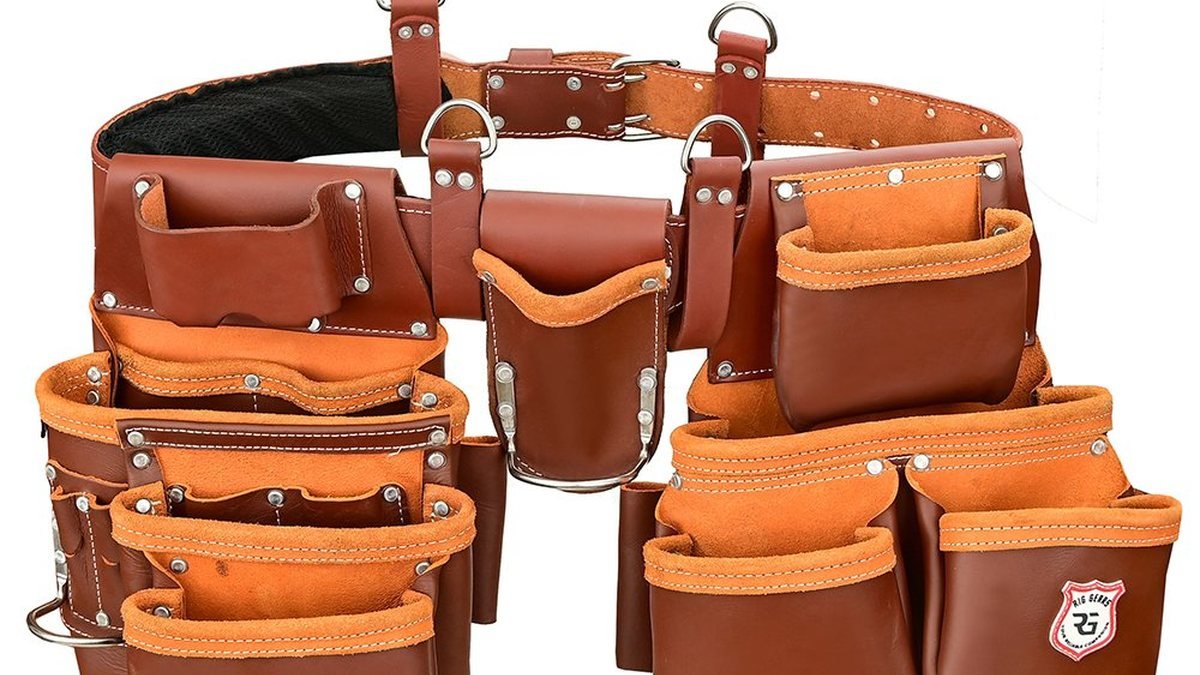
A 22-pocket rig — usually a double-sided setup — spreads storage across both hips: multiple large compartments for different fasteners, dedicated spots for hammer, tape, square, chalk line and level, plus tool slots and small pockets for every driver, bit and pencil you own. Nothing stacks, nothing hides at the bottom of a shared pocket, and two or three fastener types stay separated and instantly grabbable. It’s the layout for framers, roofers and general carpenters running production work away from the truck, where a walk back for a different screw costs real time.
The Weight Question, Honestly
More pockets invite more tools, and more tools weigh more. A 22-pocket pouch run at full capacity is a heavy rig — that’s physics, not a design flaw. The layout itself is only a few ounces heavier than a 10-pocket; what matters is your discipline about what goes in it. Two rules keep a big rig comfortable: pack for the task, not the week, and balance the load left-to-right so the belt hangs level. If the total gets serious, pair the pouch with suspenders and let your shoulders take their share.
Organisation: Where the Big Pouch Pulls Away
Ask 10-pocket users their frustration and it’s usually “everything ends up in the big pocket.” With limited compartments, small items migrate and hide. The 22-pocket layout’s real advantage isn’t raw capacity — it’s separation. Fasteners by size, tools by function, consumables in their own spot. On repetitive work, that separation turns into speed: your hand learns twenty-two addresses and never has to go searching.
Quick Decision Guide
- Choose 10 pockets if: your core kit is under a dozen tools, you work in finished or tight spaces, climb in and out of lifts, or stage most materials in a bag or cart.
- Choose 22 pockets if: you run multiple fastener types at once, work production framing or roofing, spend long stretches away from your truck, or constantly wish your current pouch had “one more pocket.”
- Choose based on your worst day, not your average one — the pouch has to serve the heavy days without punishing you on the light ones.
Quality Counts More as Pockets Multiply
Every pocket is stitching, rivets and folded leather — twenty-two pockets means twenty-two chances for cheap construction to fail. Whichever layout you pick, look for full-grain leather throughout, reinforced stress points, and metal hardware. A well-built pouch in either size should serve for years; check our guide to leather grades if you want the details on why the material matters as much as the layout.
See both philosophies in leather: the 10-pocket black leather tool pouch for a tight, light kit, and the 22-pocket heavy-duty double-side pouch when the whole day rides on your hips. Or compare the full range of leather tool pouches.