
How to Size a Tool Belt Correctly: The Complete Fit Guide

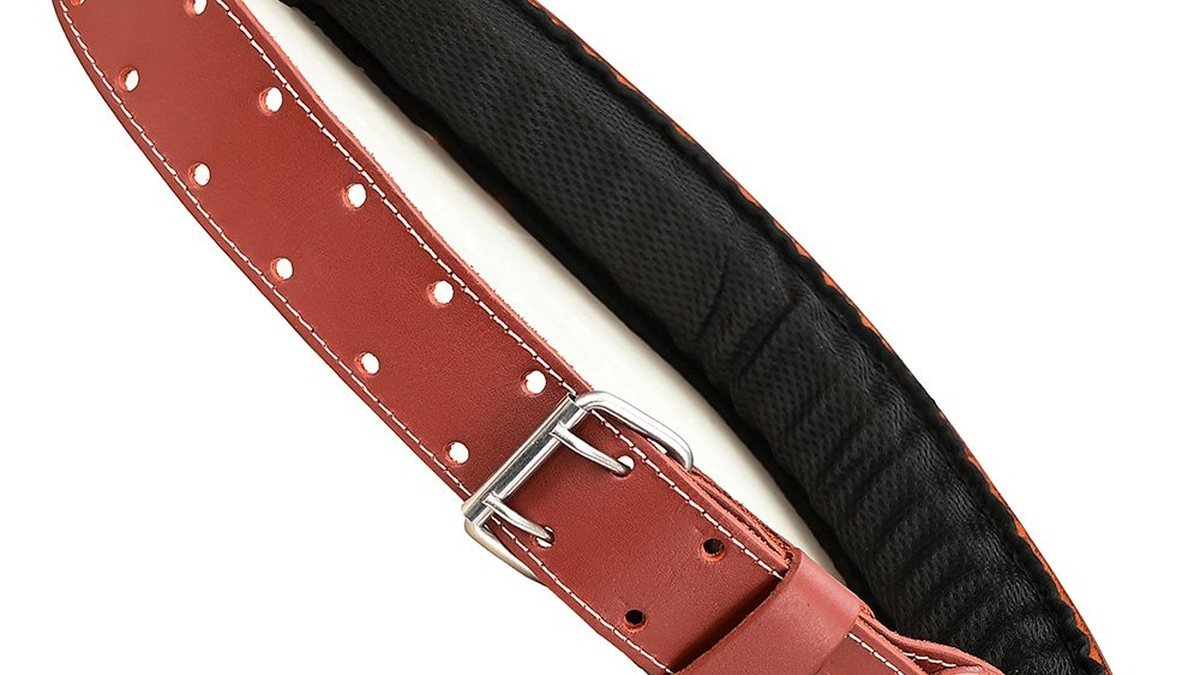
Most tool belt complaints — sagging, twisting, sore hips, pouches that never sit right — aren’t quality problems. They’re sizing problems. A belt that’s two inches off will fight you on every task, and no amount of tightening fixes a bad fit. This guide walks through exactly how to measure, how belt sizing differs from your pants, and how to check the fit once the rig is loaded.
Step 1: Measure Where the Belt Will Actually Sit
A tool belt doesn’t sit where a dress belt sits. It rides on your hips, over your work pants and whatever layers you wear on site. So measure there: wrap a soft tape around your body at the top of your hip bones, over the clothing you’ll typically work in — jeans, a tucked shirt, and in winter, the base layers you wear under your outerwear. Keep the tape level and snug, not tight. That number, in inches, is your working measurement, and it’s the only one that matters.
No tape measure handy? Use a length of string or your current work belt: mark where it fastens comfortably, then measure the string flat against a tape.
Step 2: Forget Your Pants Size
The single most common sizing mistake is ordering by pants size. Pants sizing is inconsistent between brands, pants sit lower than a loaded tool belt, and a tool belt measurement has to account for pouches hanging off it. Always go by your actual measured inches from Step 1. When you check a belt’s size range, your measurement should fall near the middle of the range — that leaves holes to loosen over winter layers and tighten as the leather settles in.
Step 3: Allow for Leather Break-In
Full-grain leather relaxes slightly in the first weeks of wear as it moulds to your body — that’s a feature, not a flaw. It’s another reason to sit mid-range on the holes: a belt that starts on the last (tightest) hole has nowhere to go as it breaks in. Aim to start on the middle hole with your normal work clothes on.
Padded vs Non-Padded: Fit Notes
Padded belts are thicker, which effectively eats a little of the size range — if you’re right at the top of a size range in a padded belt, consider the next size up. Padding should sit centred on your back and hips, not creeping around to your stomach; if it does, the belt is too big. Non-padded belts are more forgiving and mould faster, but the same mid-range rule applies. Whichever you run, the buckle should fasten without the belt’s end flapping excessively or barely reaching.
Step 4: The Loaded Fit Check
Never judge fit with an empty rig. Load your pouches the way you work — tools, fasteners, the lot — then check:
- Height: the belt sits on your hips and stays there when you walk, without riding up or sliding down.
- Tension: snug enough not to twist when you pull a hammer out, loose enough to breathe and bend without the edge digging in.
- Balance: pouches hang level, not dragging one side down — redistribute tools before blaming the belt.
- Movement: crouch, kneel, climb a step, reach overhead. The belt shouldn’t shift its position through any of it.
- Suspenders: if you run them, adjust after the belt fit is right, so they share load without lifting the belt off your hips.
Frequently Asked Questions
Should a tool belt be tight or loose?
Snug, not tight. You should be able to slide two fingers between the belt and your body. If you need it cranked down to stop it sliding, it’s either too big, unbalanced, or your load needs suspenders.
What if I’m between sizes?
Size up. Layers, winter clothing and leather break-in all push in the same direction, and a mid-range fit on the bigger belt beats living on the last hole of the smaller one.
Why does my belt keep twisting?
Usually uneven load — heavy pouch on one side, nothing on the other — or a belt worn too loose or too high. Balance the pouches and check where it sits on your hips.
Measure once, order right, and your belt disappears into the background of the workday — which is exactly what good gear should do. Browse our leather tool belts or see full setups in our collections.