How Long Should a Good Leather Tool Belt Last?

Here is the honest answer: a good leather tool belt — real full-grain leather, properly stitched and riveted — should last many years of daily work, and plenty of tradesmen measure theirs in decades rather than seasons. A cheap belt, on the other hand, might not see a second year. The difference is not luck. It comes down to the hide, the hardware and how the belt is treated. Here is what actually decides how long your belt works for you.
What “Good” Means: The Hide Comes First
Leather quality is set before a single stitch is sewn. Full-grain leather is the top layer of the hide, with its tight, natural grain intact. Those dense fibers are what resist tears, stretching and abrasion year after year. Lower grades — split leather, corrected grain, “genuine leather” in the marketing sense — have that strong surface removed or sanded away, and they simply cannot take the same abuse. Oil-tanned full-grain leather goes a step further for working gear: the oils worked into the hide keep it flexible in cold weather, help it shrug off job-site moisture, and keep it from cracking when it dries out. If you want a belt that lasts, this is where the lifespan is decided.
Signs of a Belt Built to Last
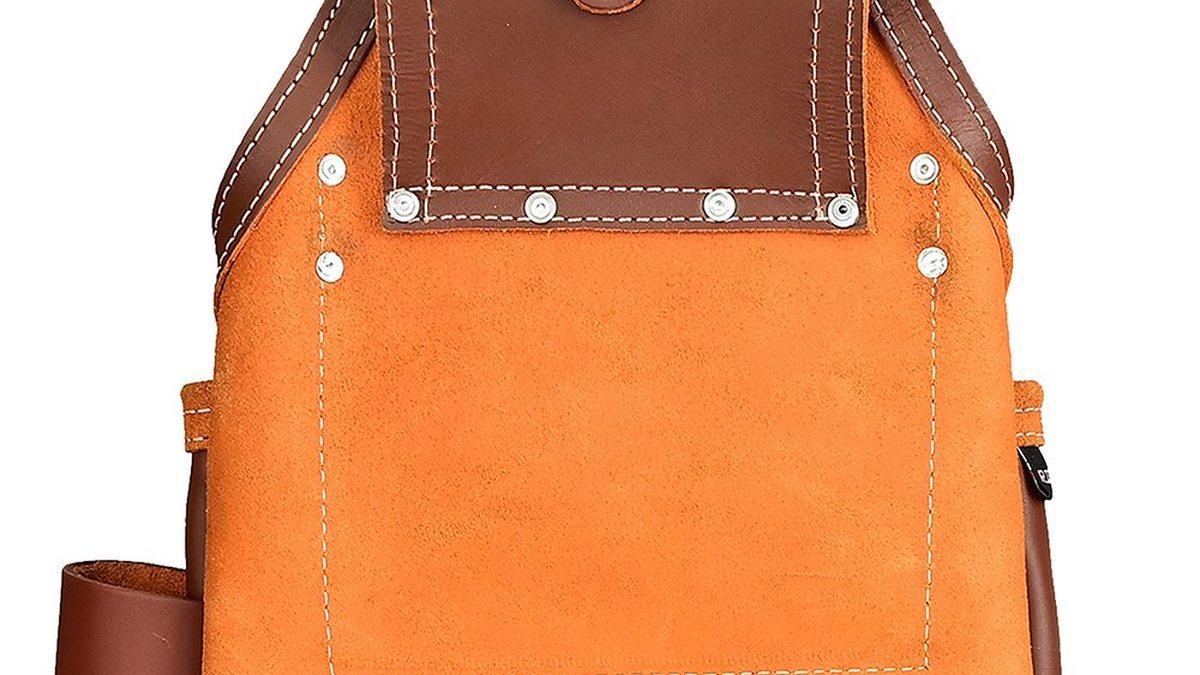
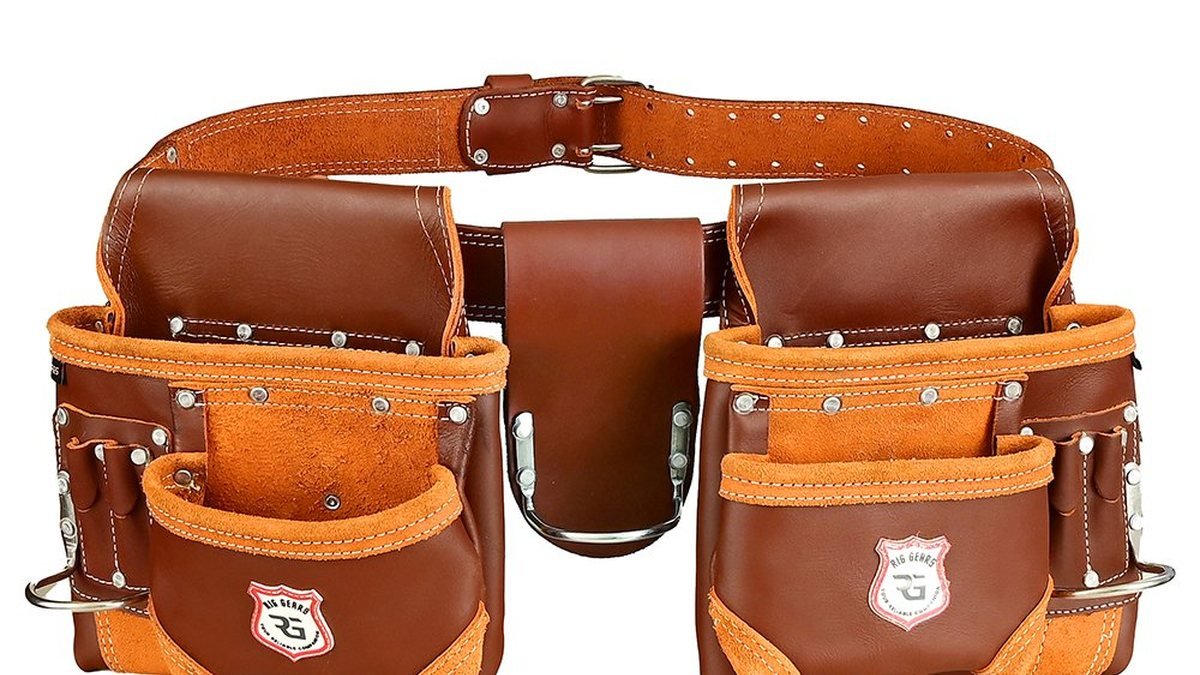
- Thick, firm leather that does not feel papery or floppy in your hands. Working belts should feel substantial.
- Rivets at stress points — pocket corners, hammer loops and belt attachments — not stitching alone.
- Heavy stitching with no loose threads, skipped stitches or fraying at the edges.
- Solid hardware. A buckle and D-rings that feel weighty, not tinny, and do not flex when you pull on them.
- Clean, finished edges rather than raw, fuzzy edges that will soak up water and fray.
What Wears Out First
Even the best belt has sacrificial parts. The belt holes stretch and elongate over years of hanging weight — usually the first visible sign of age. Hammer loops take a beating from steel handles and can eventually crack or tear at the rivet. Pouch bottoms wear where screwdriver tips and utility knives stab and scrape. None of these are surprises, and all of them happen slowly: a well-made belt gives you years of warning before anything actually fails, which is more than can be said for a nylon belt whose stitching lets go mid-job.
Habits That Add Years to Your Belt
- Dry it properly. If the belt gets soaked, let it air-dry at room temperature. Never bake it with a heater or torch — rapid heat cracks leather fast.
- Condition occasionally. A light coat of leather conditioner a few times a year replaces the oils that work and weather draw out. Do not overdo it; soggy leather stretches.
- Store it hanging. Tossing a loaded belt in a truck box creases and crushes pouches. Hanging it keeps its shape.
- Spread the load. Permanently overloading one side stretches that side faster. Balance the rig, or add suspenders for heavy carries.
When It Is Time to Replace
Replace a belt when the leather cracks through at a fold or rivet point, when stitching at a main attachment has torn out and a pouch hangs loose, when belt holes have stretched so far the rig will not stay put, or when pouches have worn thin enough to poke through. Cosmetic wear is different — scratches, darkening and a rich patina are signs of a belt doing its job, not failing at it. On oil-tanned leather, many surface marks can be rubbed back in by hand as the oils shift.
Buy Once, Carry for Years
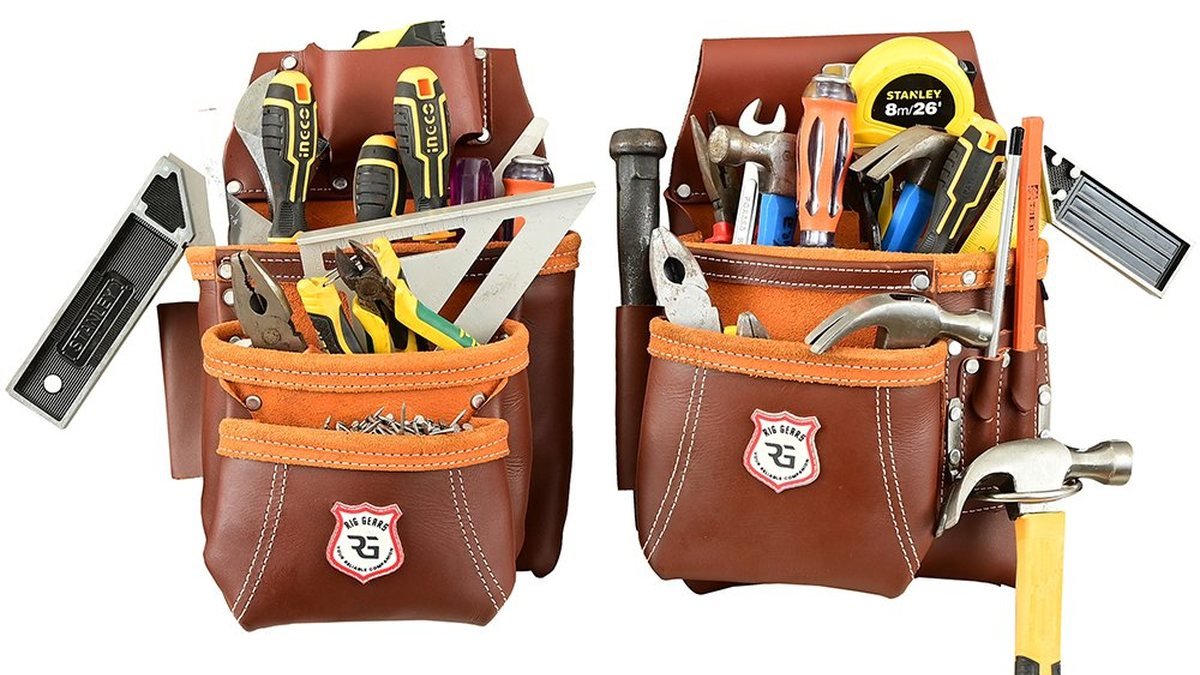
The cheapest belt is the one you only buy once. Rig Gears belts and pouches are handmade from full-grain, oil-tanned leather in black, brown and maroon, with the rivets and stitching a working belt needs to go the distance. Compare your options in the leather tool belt and leather tool pouch ranges, and put your money into the rig you will still be wearing years from now.