Best Leather Tool Belt for Carpenters: The 2026 Buying Guide

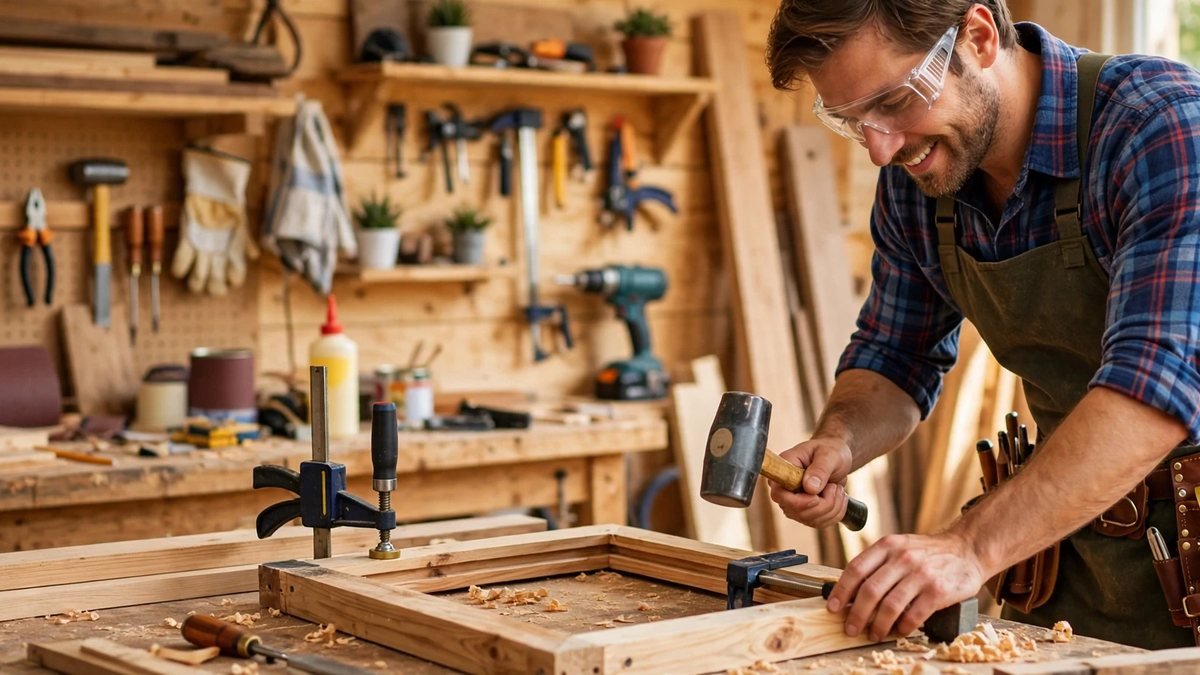
A carpenter’s belt is not an accessory. It is the toolbox you wear for ten hours a day, up ladders, across joists, and through framing, trim, and finish work. The wrong belt means digging for a pencil, a tape that will not stay clipped, and hips that ache by lunch. The right one disappears on your waist and puts every tool where your hand expects it. This 2026 buying guide breaks down what actually separates the best leather tool belt for carpenters from the rest: leather grade, fit, pocket layout, and load distribution.
Start With the Leather: Full-Grain, Oil-Tanned
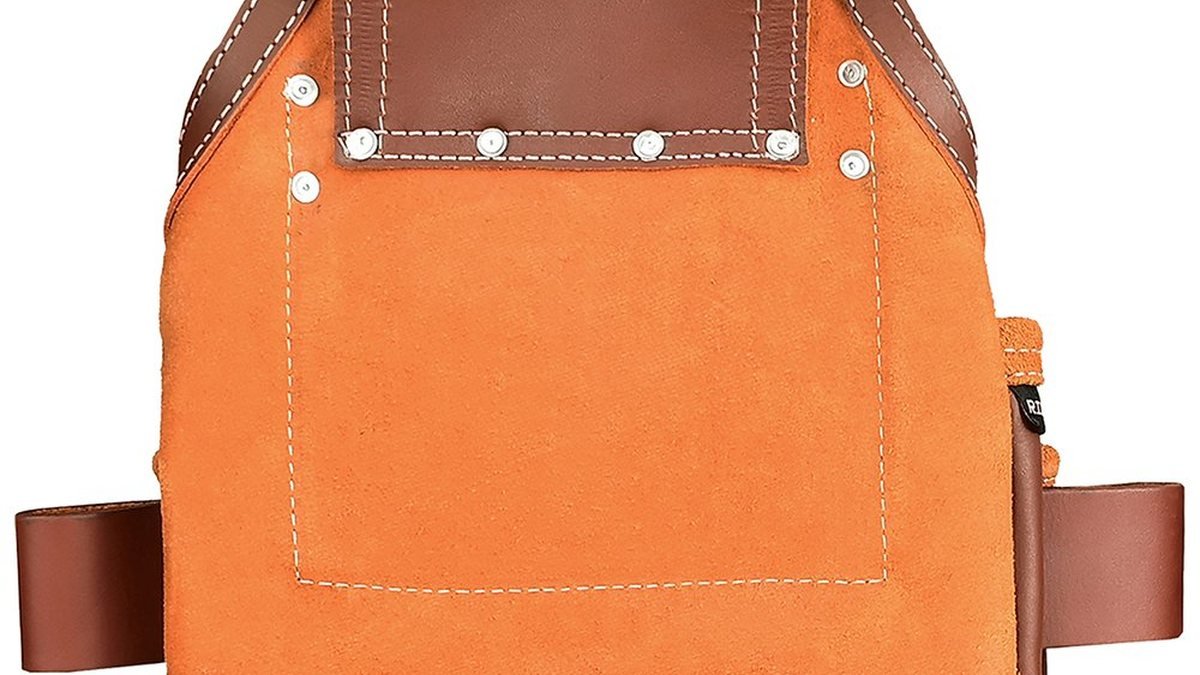
Not all leather belts are equal, and the grade of leather is the single biggest predictor of how long a belt lasts. Full-grain leather is the top layer of the hide with its natural grain intact — the densest, strongest cut, and the only one that genuinely improves with age. Oil tanning works oils into the hide, making it supple, water-resistant, and resistant to cracking in cold weather or drying out in the heat. For a carpenter whose belt gets rained on, dragged across lumber, and dusted with sawdust daily, full-grain oil-tanned leather is the benchmark. Avoid bonded leather and split leather, which are glued or lower-layer products that peel and tear.
Fit: The Belt Has to Match Your Body
Measure your waist over the clothes you actually work in — not your jeans size, which is vanity-sized and unreliable. A carpenter’s belt should sit on your hips, not your waist, so the load rides on bone rather than soft tissue. Look for:
- A true size range with enough adjustment for summer shirts and winter layers.
- A wide, sturdy belt strap that does not roll or fold under load.
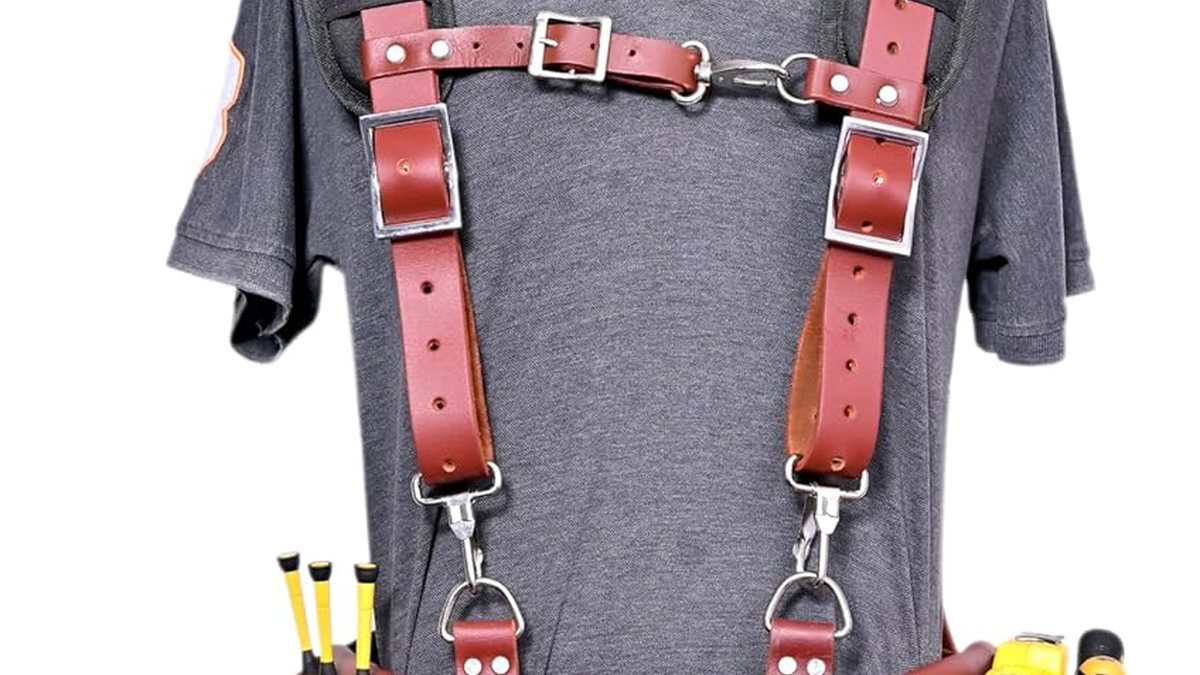
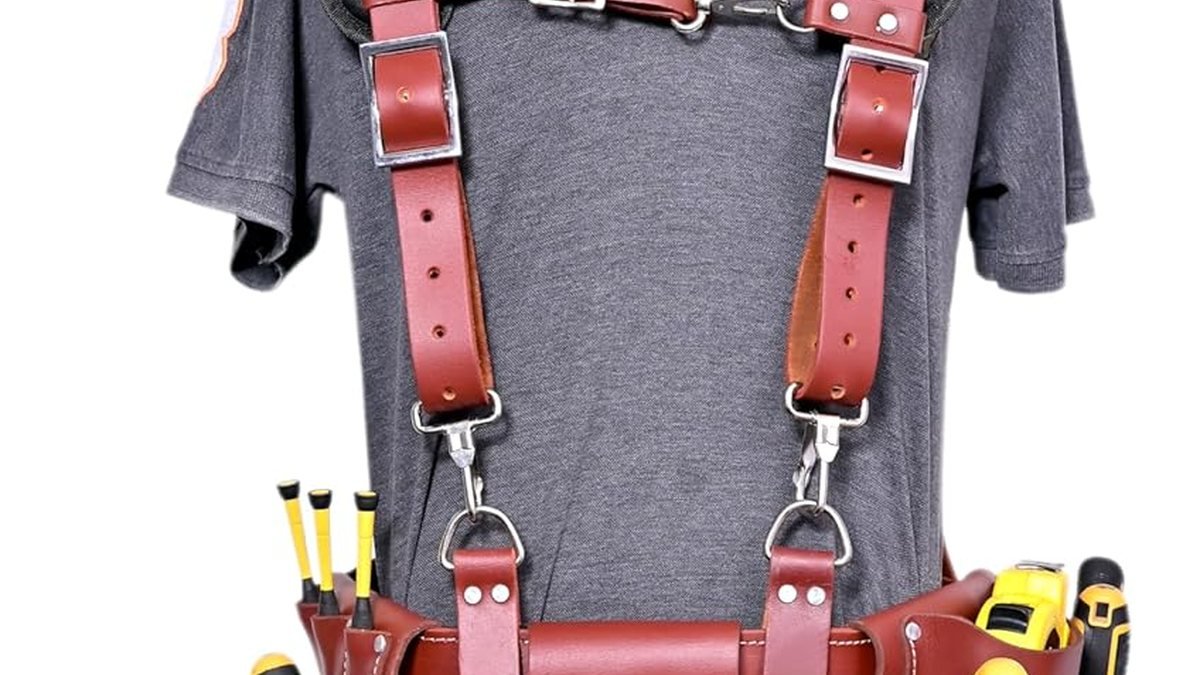
- Suspender compatibility. If you carry a full framing load, shoulder suspenders that attach to the belt move weight off your hips and onto your shoulders. Your back will thank you at 50.
Pocket Layout for Carpentry Work
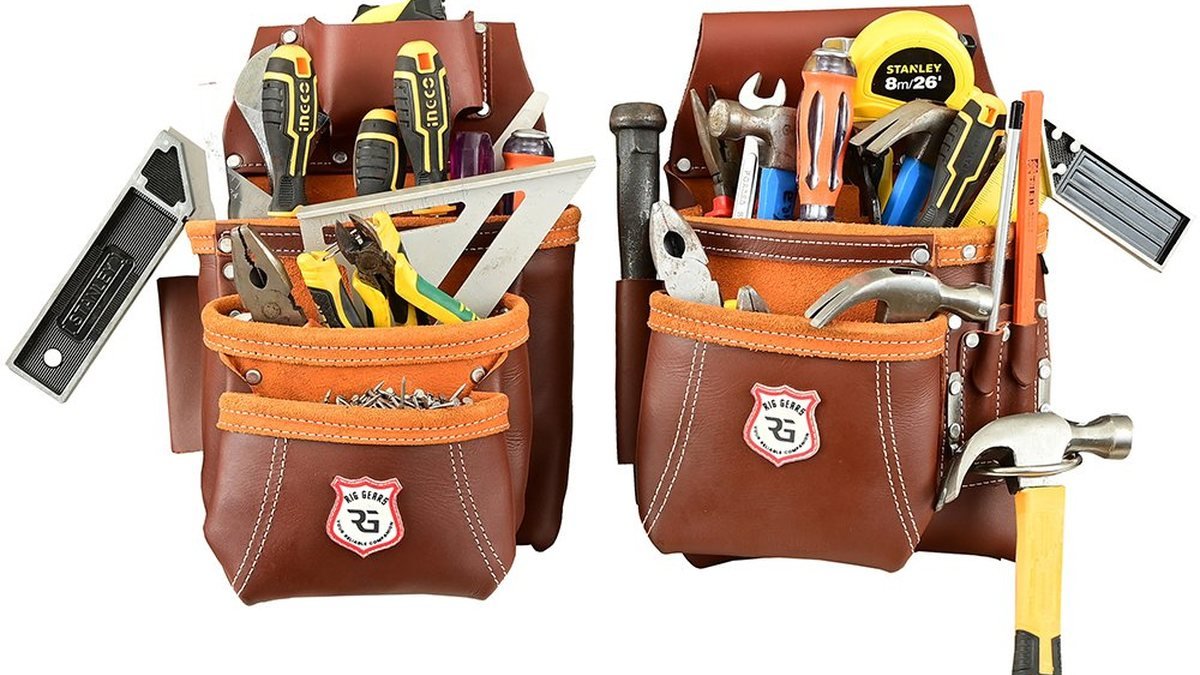
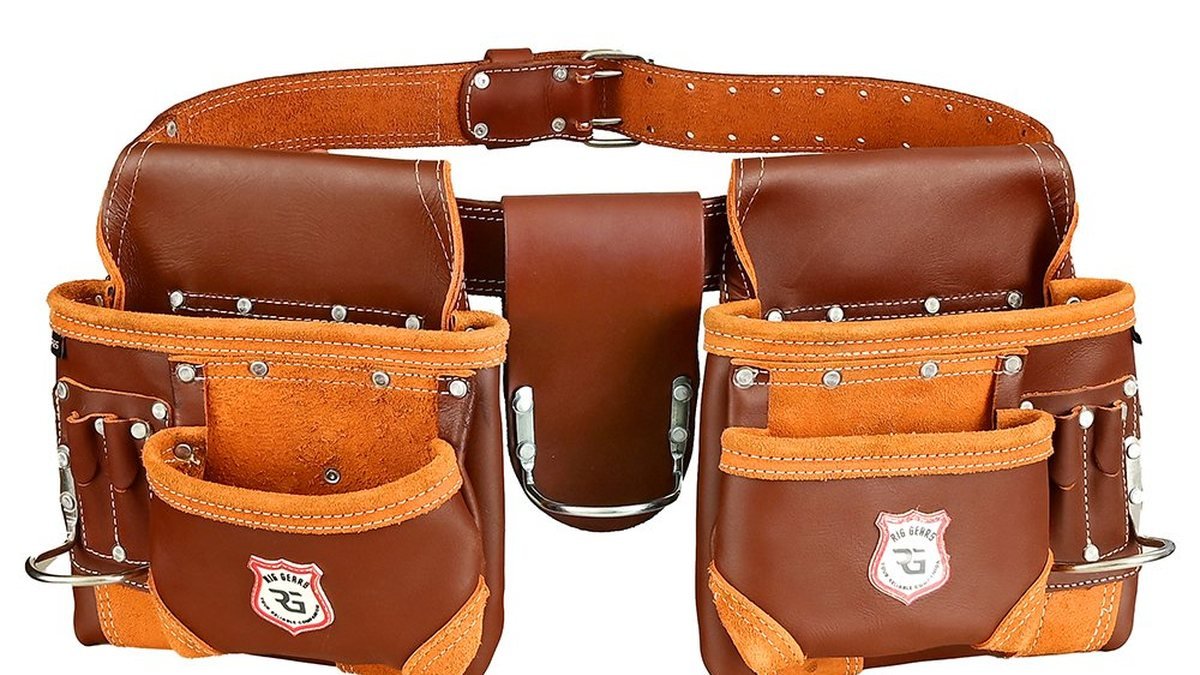
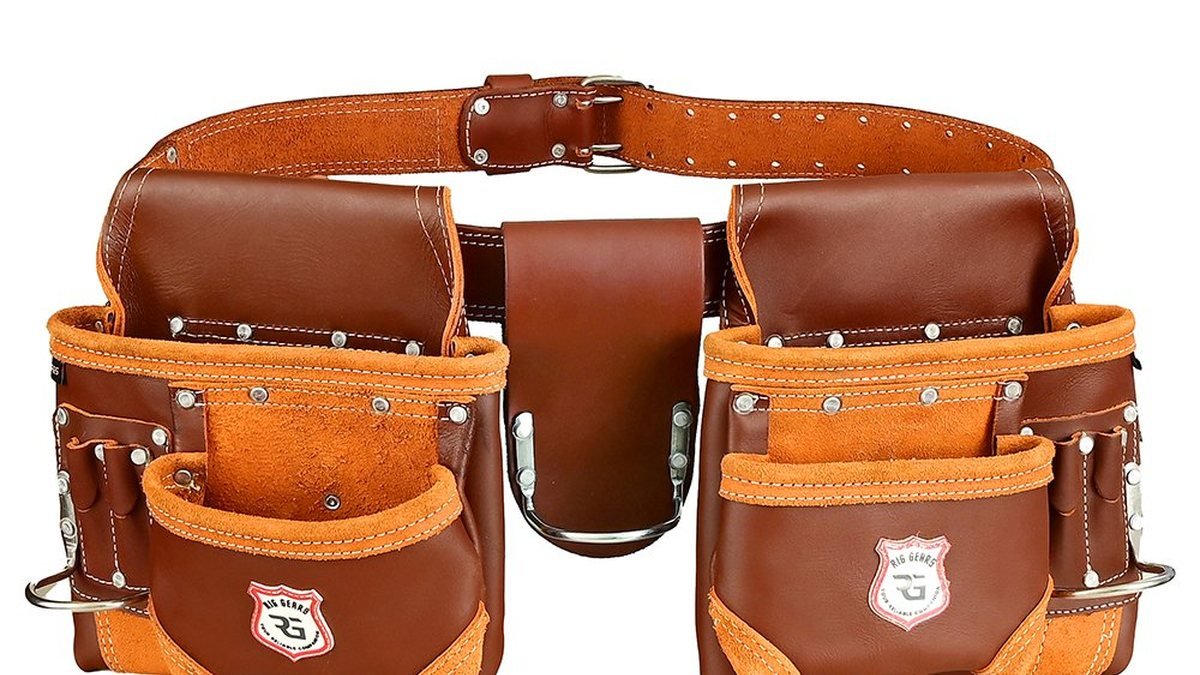
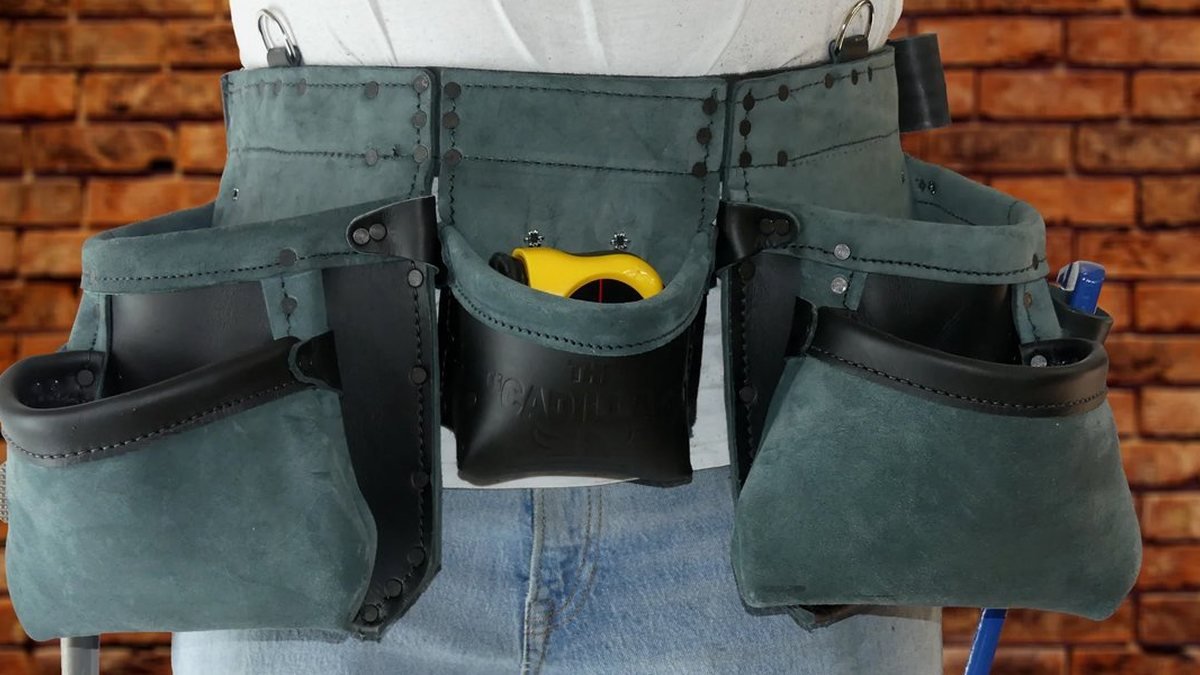
Carpentry demands a specific kit within reach: tape measure, speed square, framing hammer, chalk line, pencils, utility knife, nail sets, and a constant flow of fasteners. A good carpenter setup usually means a double tool pouch configuration — a pouch on each side to balance the load and separate tools from fasteners.
What to look for
- Deep main pockets that swallow a handful of nails or screws without spilling when you bend or climb.
- A dedicated tape pocket or clip positioned for your dominant hand.
- A hammer holder — steel loop or leather — placed at the rear or side so the handle does not bang your leg.
- Smaller slots for pencils, bits, and a knife so small items do not vanish into the main pocket.
- Reinforced corners and rivets where the pouch takes abrasion.
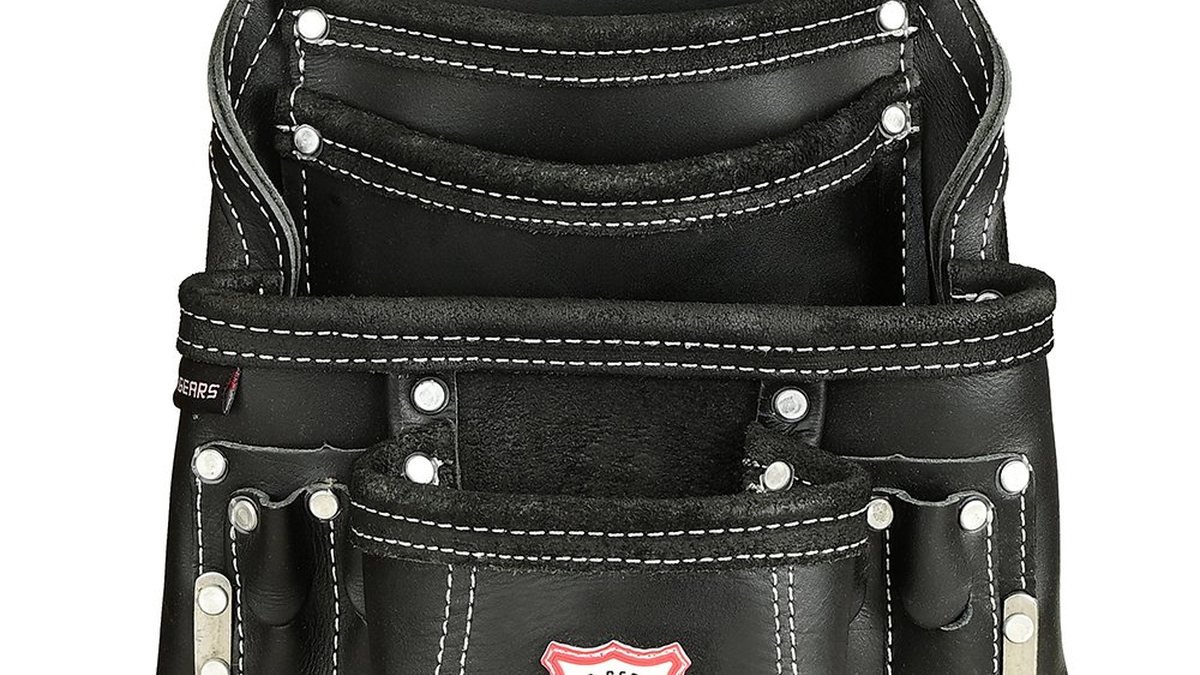
For trim and finish carpenters who carry a lighter kit, a single tool pouch keeps the rig compact and out of the way in finished spaces.
Our Top Pick for Carpenters in 2026
For all-round carpentry and framing, the standout in our range is the 22-Pocket Heavy-Duty Double-Side Leather Tool Pouch. Twenty-two pockets sounds like a lot until you are mid-wall and every slot has a job: fasteners separated by size, square and tape up front, room for the tools a framing day actually demands. The double-side layout balances weight across both hips, and the full-grain oil-tanned leather shrugs off the weather and abrasion that kill synthetic pouches. Pair it with a quality belt from our leather tool belt range, add suspenders for the heaviest days, and you have a rig that will still be working when the house is trimmed out.
If you prefer to start lighter, the black leather tool pouch is a proven single-pouch option for remodel and finish work.
Quick Buying Checklist
- Full-grain, oil-tanned leather — not bonded or split.
- Measured fit over work clothes, with seasonal adjustment room.
- Double pouch for framing and general carpentry; single for trim.
- Dedicated spots for tape, square, and hammer.
- Riveted stress points and solid metal hardware.
- Suspender option if your daily load is heavy.
Build Your 2026 Rig
A carpenter’s belt is bought once and used thousands of times. Choose the leather right, size it honestly, and lay it out around the tools you reach for most. Browse the full range in our shop, compare setups in the collections, and remember that orders above $250 ship free. Questions about which configuration fits your work? Contact us — we build these by hand and we are happy to talk through your setup before you spend a dollar.