Best Tool Belt for Electricians: What Actually Matters on the Job

Electricians carry a different kind of load than carpenters. Fewer bulky items, more precision tools: linesman pliers, needle-nose, strippers, a fistful of screwdrivers and nut drivers, a tape, a level, a tester, and a pocket of wire nuts and staples that multiplies as the day goes on. The best tool belt for electricians is not the biggest belt — it is the one that organizes that kit so every tool has a home and comes out in the order you use it. Here is what actually matters when you are roughing in, trimming out, or wedged in a ceiling space on service work.
Layout Beats Capacity
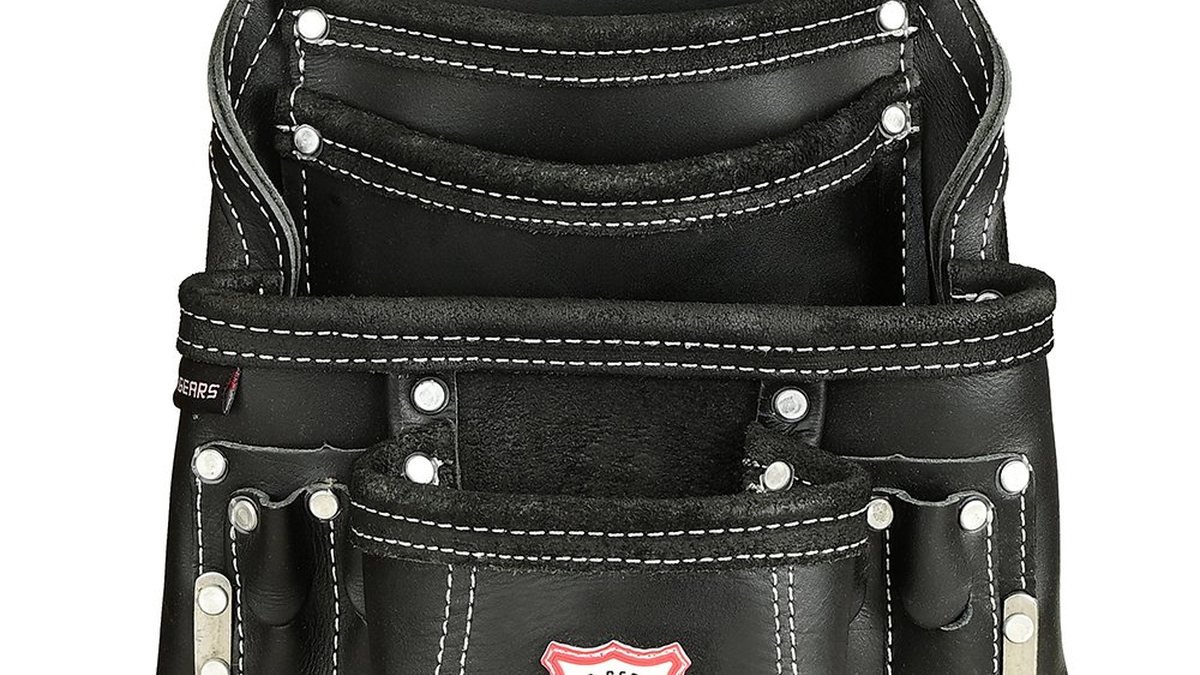
For electrical work, a pouch with well-shaped slots beats a cavernous bag every time. Look for:
- Multiple narrow slots sized for screwdrivers, nut drivers, and pliers, so handles stay separated and visible.
- One deeper pocket for wire nuts, staples, screws, and the odd connector.
- A tape measure pocket or clip you can work one-handed.
- A hammer loop that stays out of the way — electricians carry a hammer less often, so it should not dominate the rig.
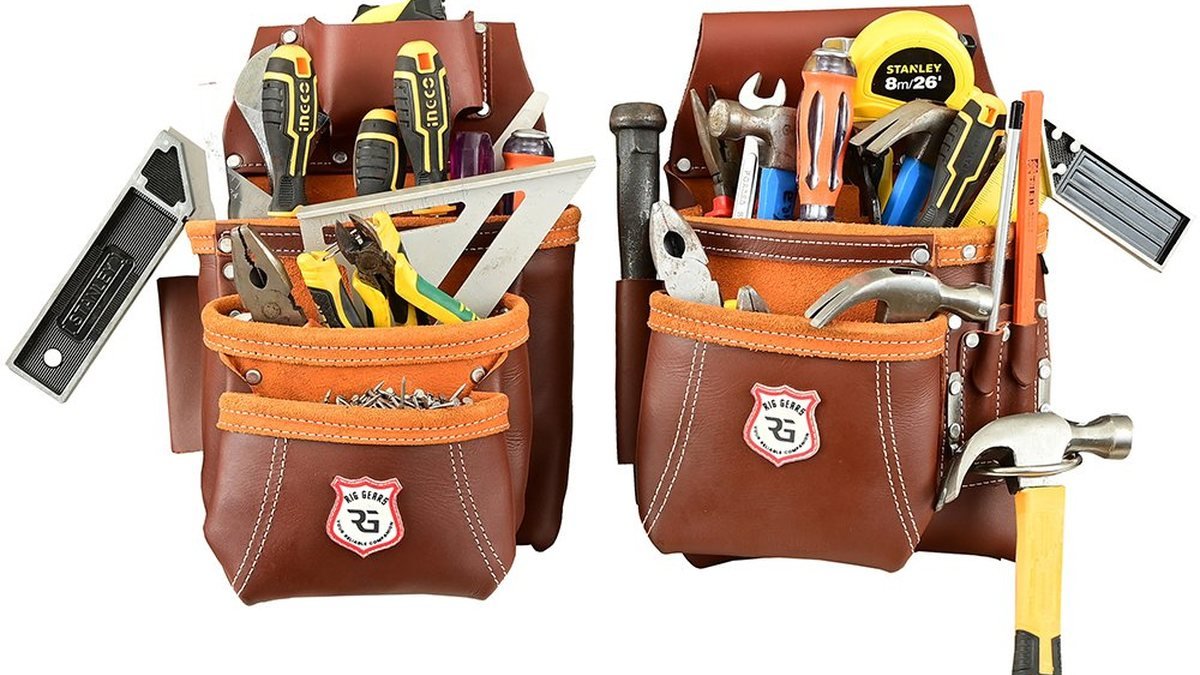
Our black leather tool pouch is a popular electrician’s pick for exactly this reason: a compact single-pouch layout with the slots where your hands expect them, in full-grain leather that holds its shape instead of collapsing like nylon.
Weight and Profile: You Work in Tight Spaces
Panel work, crawl spaces, attics, and finished homes all punish a wide, heavy rig. A belt that sticks out catches on studs and door frames, and a heavy setup drags on your hips during long trim-outs. Most electricians do best with:
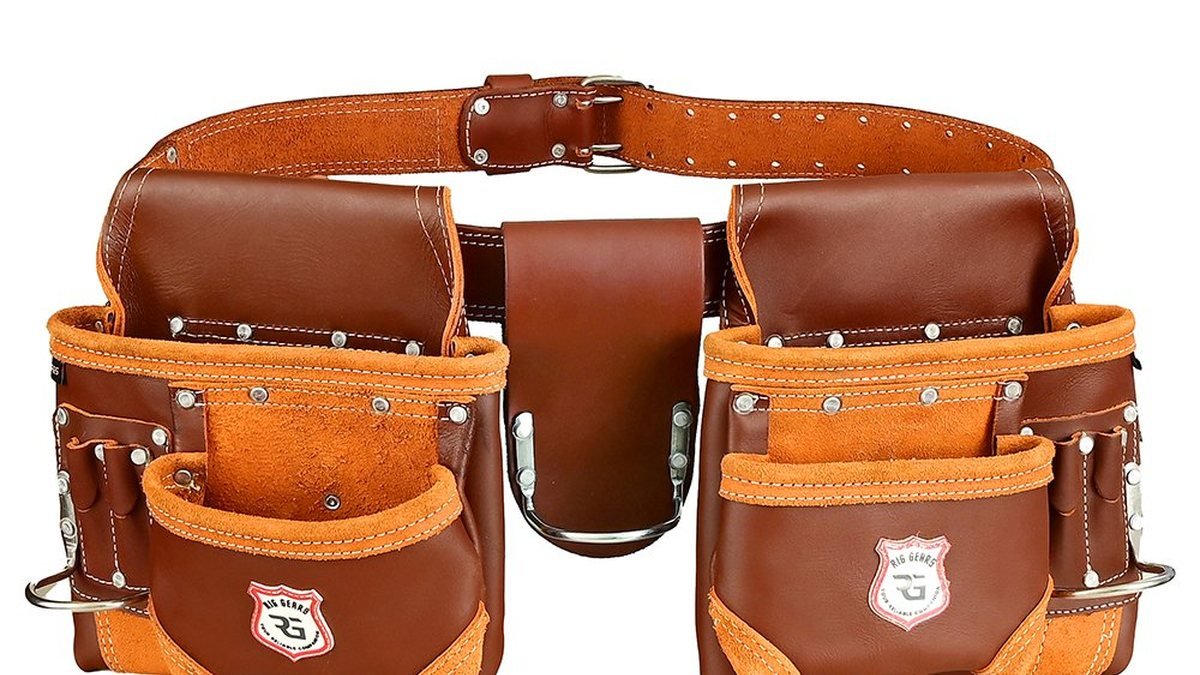
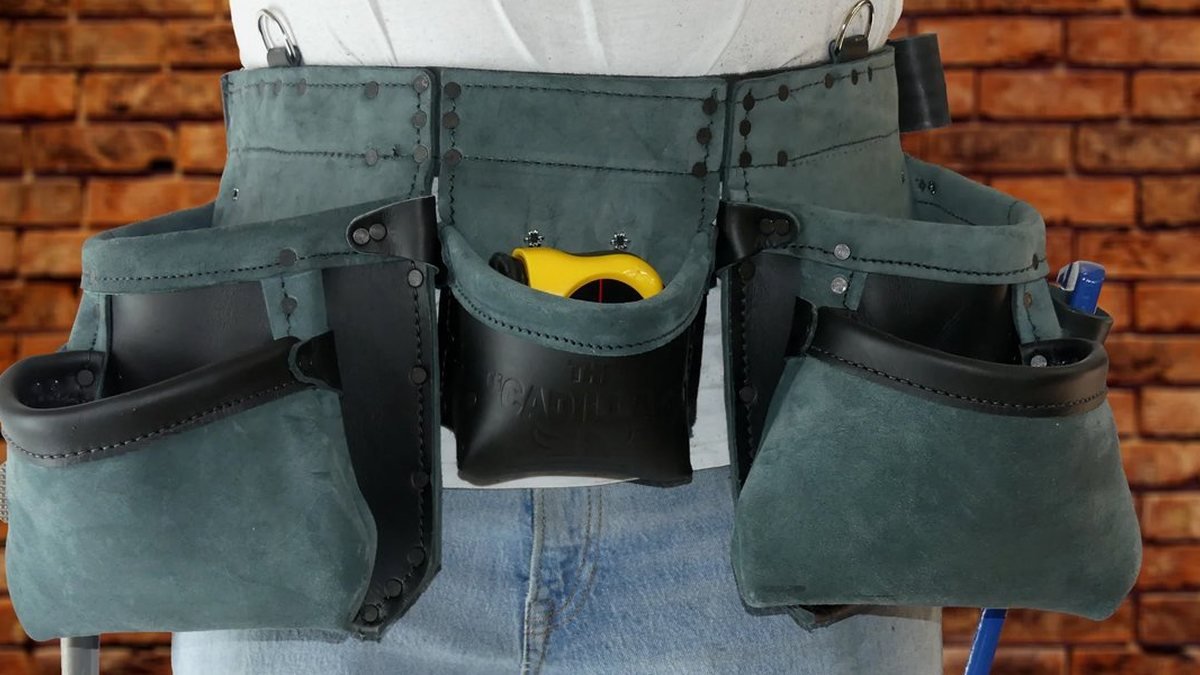
- A single-pouch or slim double setup. A single tool pouch covers most service and residential work. Move to a double tool pouch for commercial rough-in, where you are carrying more material and more tool variety.
- A belt that sits close. Leather molds to your body over the first weeks of wear, which keeps the rig tight to your hips instead of swinging.
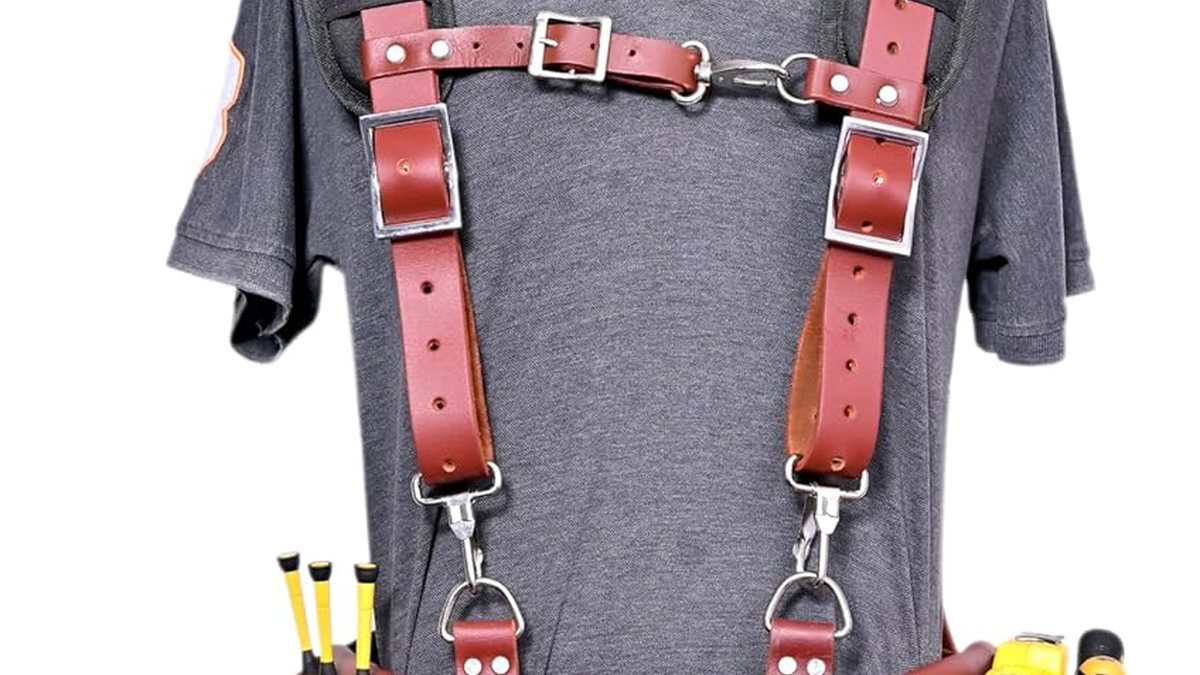
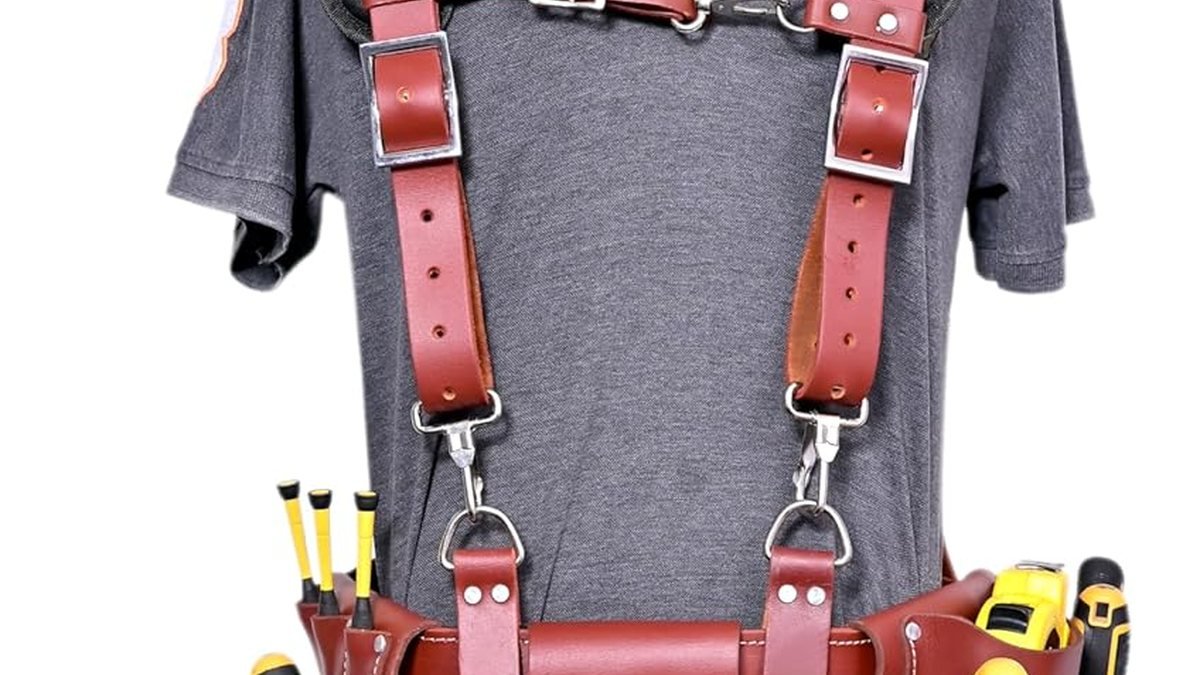
- Suspenders for the heavy days. If your load regularly includes a drill, impact, and a full pouch, spreading weight to your shoulders saves your back.
Why Leather Works for Electrical Work
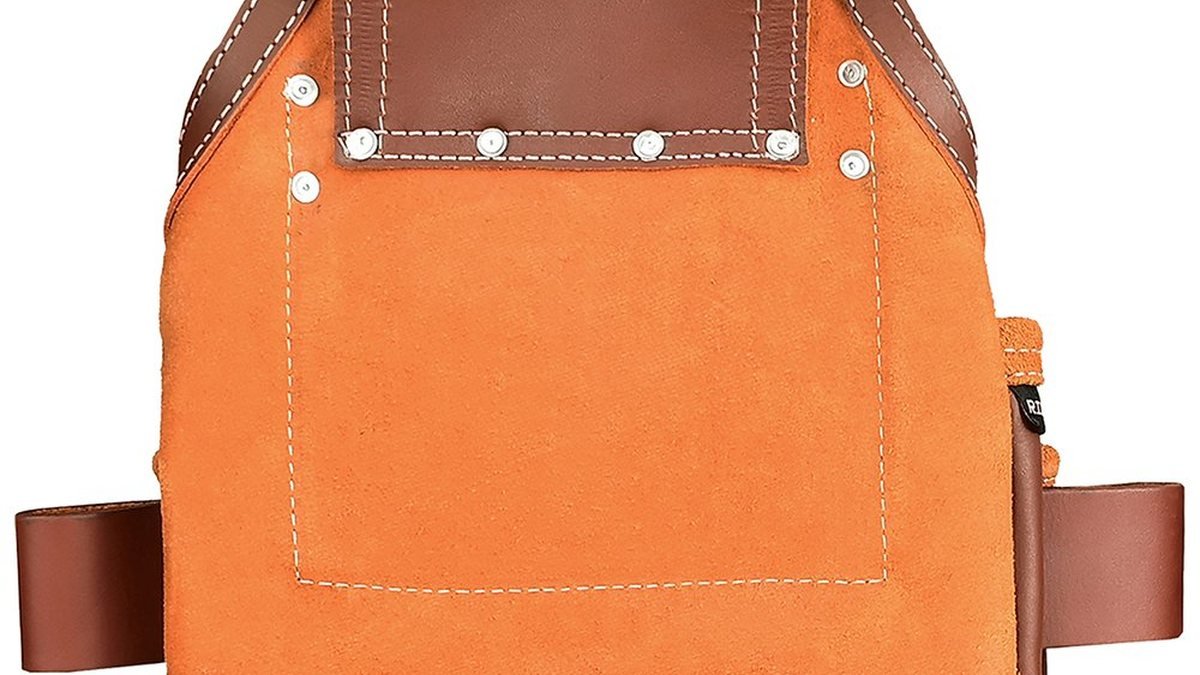
Leather is not the obvious choice for every trade, but for electricians it has real advantages. Full-grain leather pockets keep their shape, so slots stay open and tools slide in and out without you looking down — important when your eyes are on the work. Leather does not melt or fray the way synthetic fabrics do around heat, and oil-tanned leather tolerates the dust, moisture, and abrasion of job sites without cracking. It is also quiet: no rattling plastic buckles or scratchy nylon against finished walls and cabinets in trim work.
A note on safety: no tool belt, leather or otherwise, is rated PPE against electrical hazards, and your belt is never a substitute for lockout/tagout, insulated tools where required, and your company’s safety procedures. Choose a belt for organization and durability, and let your rated gear handle the protection side.
Setting Up Your Rig: A Practical Layout
However you arrange it, keep the sequence consistent so muscle memory takes over:
- Dominant side: linesman pliers, most-used drivers, tape.
- Non-dominant side: strippers, needle-nose, level, tester.
- Material pocket: wire nuts, staples, screws — one pocket, dumped and sorted at the end of the day.
- Rear: hammer loop, if you carry one.
Browse our leather tool pouches to compare slot counts and layouts, and pair your pick with a belt from the leather tool belt range.
Electrician Tool Belt FAQs
Single or double pouch for electricians?
Single for service work, residential, and trim — lighter and slimmer. Double for commercial rough-in and any job where you are carrying material as well as tools.
How long does a leather electrician pouch last?
A full-grain leather pouch, cleaned and conditioned a few times a year, typically outlasts several nylon pouches. The slots actually improve with use as the leather settles around your tools.
What if my tool list changes by the job?
Pick the pouch that fits your most common day and let a small tool bag handle the overflow. A belt overloaded “just in case” is a belt you will stop wearing.
Organize the Kit You Actually Carry
The best electrician’s belt is the one that makes your ten most-used tools effortless to reach and everything else invisible. Start with the full range in our shop, and if you want a layout tuned to your exact tool list, ask about a custom configuration through our contact page. Orders above $250 ship free — and a rig this organized pays for itself in saved steps on every single job.